
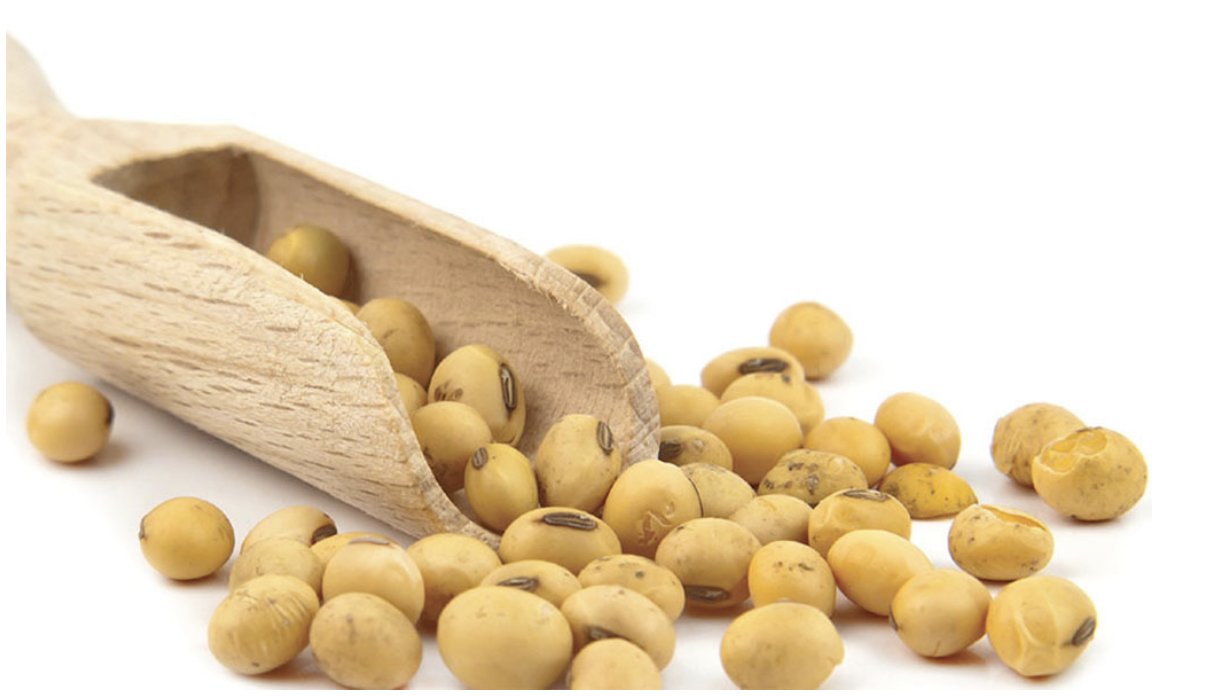
North American grown soybeans and slow-growing broilers aren’t more sustainable than South American grown soybeans and modern broiler breeds.
I had the opportunity to attend the "From Footprint to Foodprint" seminar on June 3 at VIV Europe 2026 in Utrecht, the Netherlands. The topic of sustainability of poultry products was the broad subject, but the presentations focused on European perspectives for calculating and reducing the greenhouse gas emissions associated with producing poultry products.
I won’t waste much of your time discussing slow growing broilers versus modern breeds when it comes to environmental sustainability. Anyone who understands the impact that feed has on both the cost and environmental footprint of raising poultry knows that a slower-growing bird is not the answer no matter what the diet composition is.
The discussion of the impact of utilizing soybean meal in poultry diets in Europe is where I think the analysis of environmental impact goes off the rails. I can understand that if all other things are equal, a feed ingredient that is either moved over a greater distance or via a more energy intensive method of transport will have a larger environmental impact. An analysis of the environmental impact of poultry utilizing soybean meal versus sunflower and canola meals in broiler rations was presented by Carolyne Kemp, senior poultry nutritionist at Aviagen.
She explained that the carbon footprint calculations for feed ingredients have two components. One covers the carbon cost of growing, harvesting, processing and transporting raw materials to the feed mill; this is tied to biological efficiency. The second, land-use change, is related to deforestation and the carbon debt assigned to land converted for agriculture.
Kemp said "It is important to always report both figures separately, because land-use change has no relationship to biological efficiency. It is an accounting figure. You can have very similar biological performance and very different footprints depending on whether land-use change is included. Always report both."
Soybeans grown in South America have been assigned a high land-use change penalty because it is assumed that the soybeans were produced on land that had been recently deforested. Soybeans grown in the U.S. have no land-use change penalty assigned to them because row crops in the U.S. are assumed to be grown on land that was either never forested or deforested generations ago.
I think that this land-use change penalty for soybeans produced in South America is absurd. want to be clear that I don’t think Kemp was promoting the land-use change concept; she was merely reporting how it is being applied in making carbon footprint calculations for broiler diets in Europe.
Making real progress reducing environmental impacts of poultry production is a good thing, but the industry needs to be careful to make sure that the changes it makes have real, not imagined, effects. Common sense needs to remain part of the analysis, and producers shouldn’t accept ridiculous assumptions made by activists. The industry needs to remember that for many activist groups, the "Net Zero" that they are really pushing for is "zero animal agriculture."
.png)