
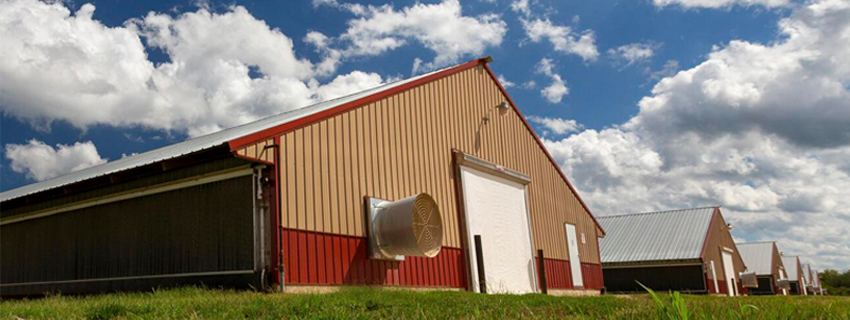
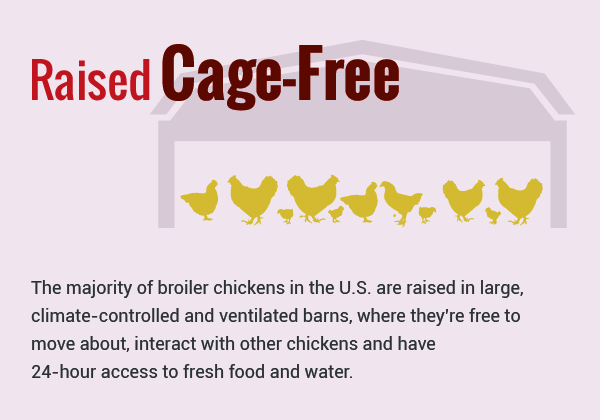
Chickens and turkeys are raised using modern farming practices that prioritize animal health, food safety, and environmental responsibility. Farmers provide balanced nutrition, clean water, climate-controlled housing, and regular veterinary care.
Biosecurity measures help protect flocks from disease, while sustainability efforts focus on conserving resources and reducing environmental impact. Innovation plays a key role in meeting today's needs while preparing for the future.
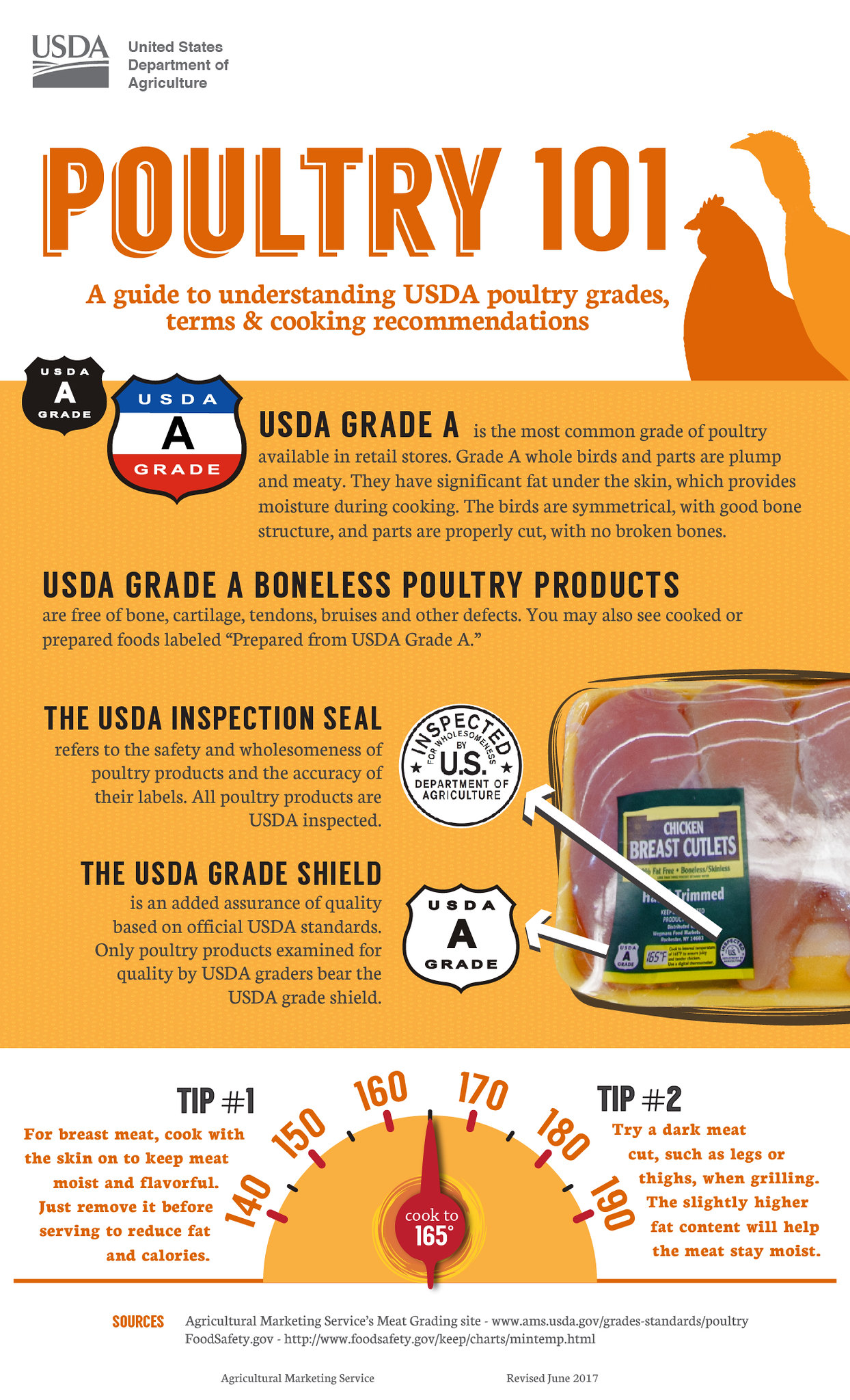
Poultry inspection in the United States is conducted by the USDA to protect public health. Birds are examined both before and after processing to identify signs of disease or contamination. Inspection systems combine visual evaluation with modern, risk-based approaches that focus on food safety hazards. Continuous inspection ensures that only safe, wholesome poultry products reach consumers.
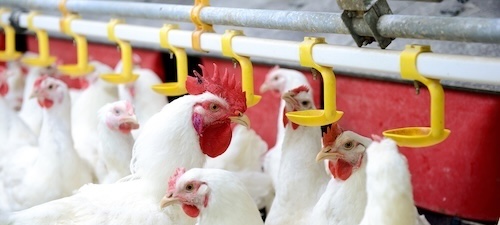
Chickens raised for food in the United States are cared for by farmers who follow science-based welfare and health guidelines. Birds receive nutritious feed, clean living environments, and ongoing health monitoring. Responsible use of antibiotics, when needed to treat illness. is overseen bv veterinarians. Transparency and education help consumers better understand how chicken is raised from farm to table.
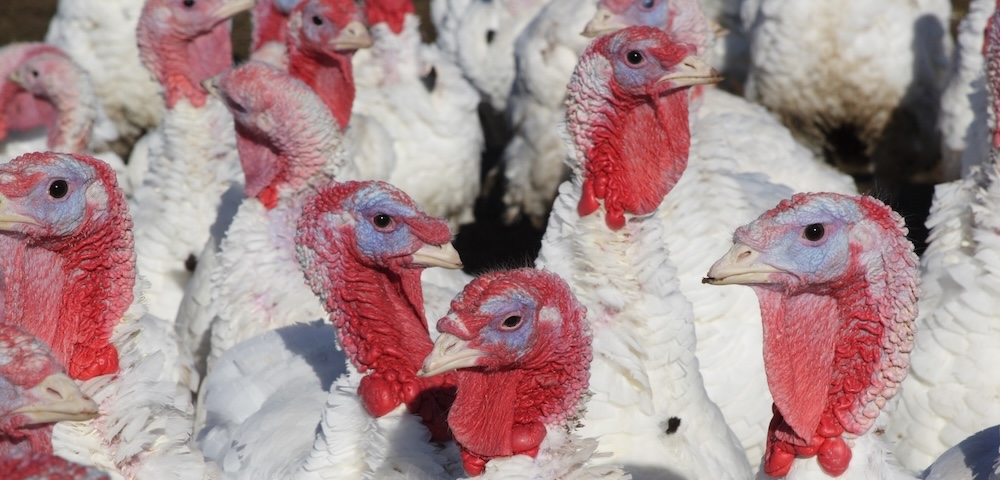
Turkeys are raised by trained farmers who focus on animal care, nutrition, and biosecurity. From hatch to harvest, turkeys receive balanced diets, clean water, and housing designed for comfort and health. Farmers work closely with veterinarians to prevent disease and maintain welfare standards, while following federal regulations and industry best practices.
Duck and goose products are produced under federal inspection to ensure safety and quality. Birds are raised on farms, processed in inspected facilities, and distributed through regulated channels. Safe handling continues at home, where proper storage, cooking temperatures, and sanitation help prevent foodborne illness. Food safety is a shared responsibility from farm to table.
Eggs are collected from hens and quickly moved into temperature-controlled environments. They are washed, sanitized, graded, and packaged according to strict standards. Refrigeration helps maintain freshness and safety throughout distribution. Federal oversights and industry practices work together to deliver nutritious, affordable eggs to consumers.
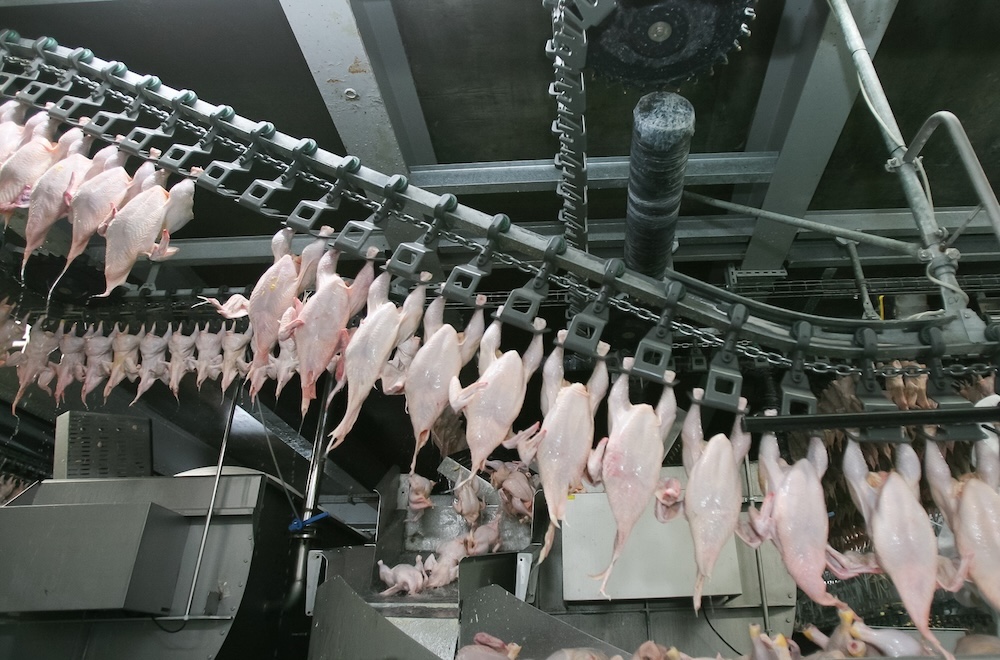
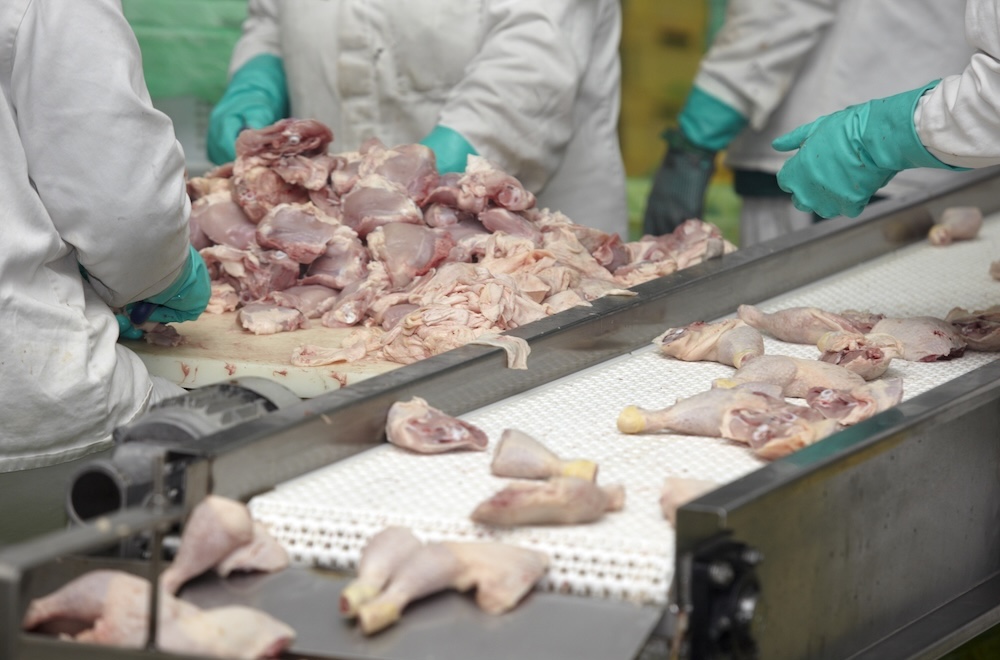
Poultry processing in the United States follows a carefully controlled, step-by-step system designed to produce safe, high-quality food. Birds arrive at modern facilities where they are humanly handled and processed under strict federal oversight. Advanced equipment and sanitation systems help reduce the risk of contamination at every stage, from cleaning and chilling to packaging. USDA inspectors are present throughout the process to ensure products meet food safety and quality standards before they are shipped to retailers and consumers.

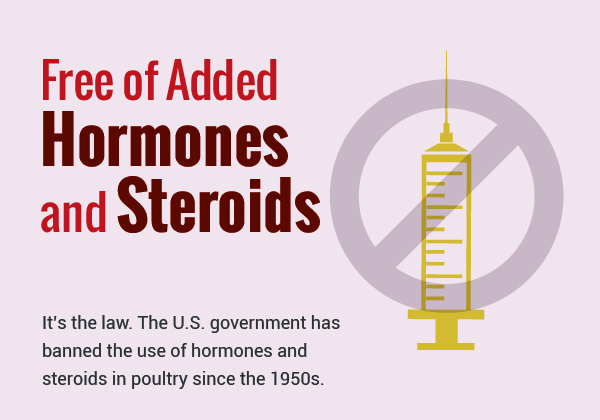
Food safety is a top priority across the poultry industry, supported by science-based practices and continuous improvement. Preventive systems such as Hazard Analysis and Critical Control Points guide every step of production and processing.
Technologies including antimicrobial treatments, pathogen testing, and enhanced sanitation help reduce foodborne illness risks. These efforts are supported by ongoing research and collaboration between producers, scientists, and government agencies.



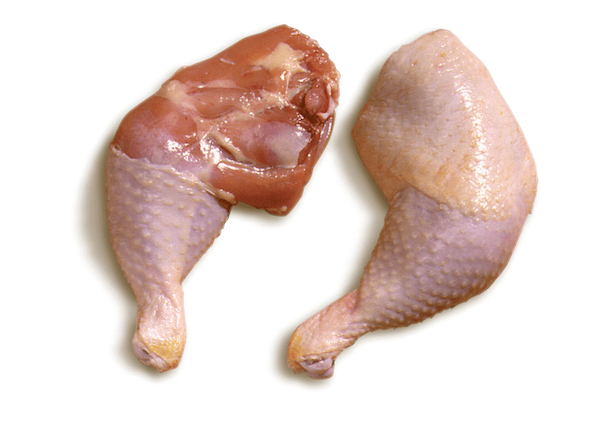
U.S. chicken leg quarters are a staple export product promoted throughout the world. A leg quarter consists of the thigh and drumstick attached and may include a portion of the back. This cut is classified as dark meat and is widely exported due to its strong flavor, versatility, and cost efficiency.
Leg quarters are most commonly exported frozen, using rapid blast-freezing to preserve freshness and quality. Standard export packaging includes bulk cartons, often ranging from 10 to 20 kg per carton, depending on buyer requirements. Products are typically packed in poly-lined cartons to protect against moisture and freezer damage during transport.
All leg quarters exported from the United States are inspected and certified by the USDA Food Safety and Inspection Service (FSIS). Many suppliers also offer Halal certification upon request to meet the requirements of specific markets. When stored at -18 degrees celsius or below, frozen chicken leg quarters generally have a shelf life of 12 months, making them well suited for long-distance export and distribution.
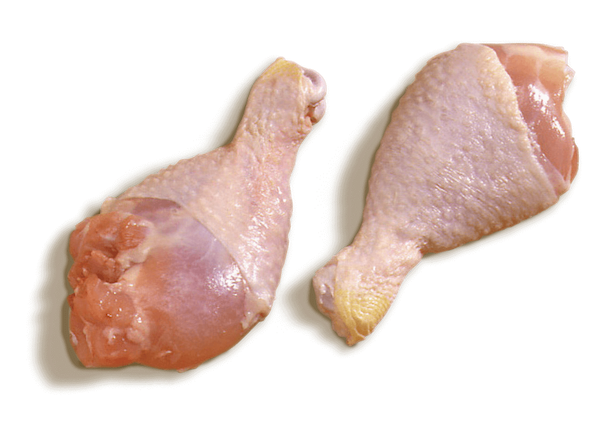
Chicken drumsticks are the lower portion of the chicken leg and are recognized globally as a popular, easy-to-cook dark meat cut. They are commonly exported by USAPEEC member companies as part of their frozen poultry product range. Drumsticks offer a favorable meet-to-bone ration and are suitable for both retail and foodservice markets.
Drumsticks are usually exported frozen, packed in bulk cartons, with typical carton weights ranging from 10 kg to 15 kg. Some suppliers also offer consumer-packed options depending on the target market. The freezing process ensures product safety, consistency, and extended shelf life during international transport.
All exported chicken drumsticks meet USDA FSIS inspection requirements, ensuring compliance with international food safety standards. Optional certifications such as Halal are widely available. When maintained at - 18 degrees celsius or colder, frozen chicken drumsticks generally have a shelf life of up to 12 months, making them an ideal product for global distribution and long-term storage.
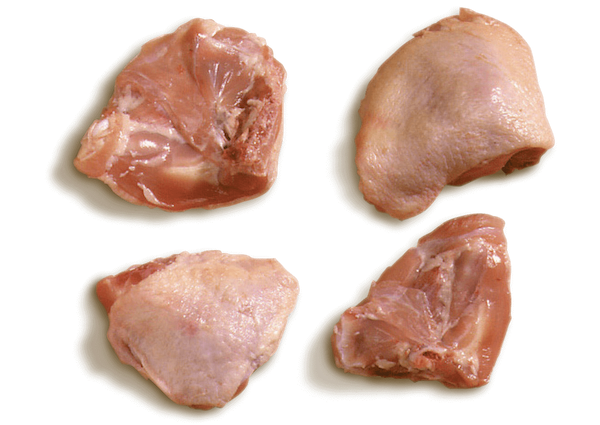
Chicken thighs are the upper portion of the chicken leg and are highly valued in international markets for their tender texture and rich flavor. USAPEEC member suppliers export things in multiple formats, including bone-in, bone-less, skin-on, and skinless, depending on customer and market preferences.
For export, chicken thighs are typically frozen and packed in bulk cartons or retail-ready inner packs. Common packaging sizes range from 2 kg inner packs up to 10-15 kg master cartons. Boneless, skinless thigh meat is especially popular in foodservice and further-processing applications due to its uniformity and ease of preparation.
As with all U.S. poultry exports, chicken thighs are produced under strict USDA inspection standards and can be supplied with additional certifications such as Halal if required. Frozen chicken thighs have a recommended shelf life of approximately 9-12 months when stored under proper conditions. Their adaptability to grilling, roasting, braising, and stewing makes them a preferred cut in many regional cuisines.
.png)