
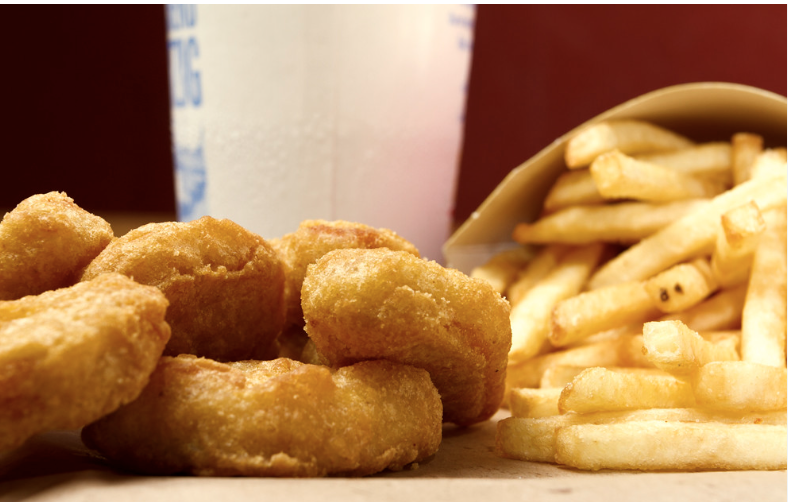
A visit to MBRF’s Innovation Center revealed just how much consumer research and product development can go into creating a seemingly simple chicken nugget.
A chicken nugget is a chicken nugget. If only it were that simple. An enormous amount of thought and research can go into developing what might otherwise be regarded as an everyday product, as a recent visit to the MBRF Innovation Center, in Jundiaí, Brazil, revealed. The visit examined not only the in-depth consumer research that takes place during product development, but also how the results can lead to products that are specifically tailored to different markets.
Detailing the development process, Patrícia Niizu, MBRF Consumer Science Manager, explained that the starting point is understanding the consumer experience, beginning with product purchase. Does the packaging and imagery match expectations? Once the package is opened, does the product itself also meet those expectations? Understanding how consumers prepare the product at home is equally important. Is it fried, and if so, is it deep-fried, shallow-fried or cooked using a small amount of oil? Or might it be air-fried? Such questions are important when developing products for specific countries and regions.
Taste trials
Sensory cues can drive emotions, memories and preferences, Niizu explained, but how a product is perceived can vary considerably from one market to another. Understanding those differences can help create an authentic connection with consumers and strengthen brand preference. With several nuggets set out before us, Niizu explained how each had been developed. The paler, more rounded nugget was made entirely from breast meat. This presentation is popular, tends to be drier, and the muscle fibers are noticeable when eating. Its flavor is relatively mild, with hints of garlic and onion.
That approach, however, does not suit every market. Brazilian consumers, for example, tend to prefer a juicier product. A version that has proved popular in this market offers juiciness with a softer coating. Crispiness is retained, but the overall eating experience is softer than with the pure breast-meat nugget. For the Middle Eastern market, however, this formulation is less suitable and may raise concerns around whether it is halal compliant. Asia presents yet another set of preferences. Here, consumers may want the texture of the chicken to remain noticeable, while the coating is lighter and more reminiscent of tempura batter.
Niizu also showed a new nugget developed with a spicy coating containing nacho chips, designed to evoke Mexican cuisine for Brazilian consumers. So there we have it: a nugget may be a nugget, but producing one that works in a particular market requires considerably more than simply putting chicken into a coating. Behind the apparently simple product lies consumer research, sensory science and a detailed understanding of how preferences differ from one market to another.
.png)