
Marketers should lean into poultry’s nutritional strengths rather than compete with supplements and reformulated snack products.
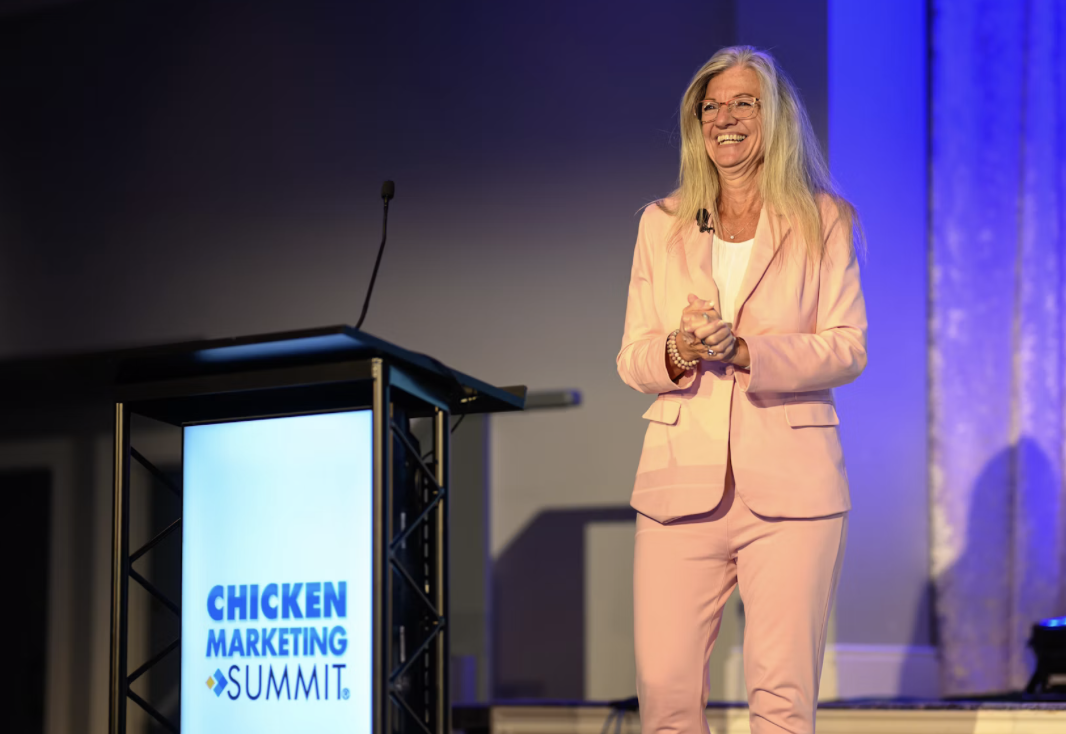
Protein has evolved from a bodybuilder's supplement into a mainstream identity marker, and chicken marketers who fail to capitalize on that shift risk losing ground to snack foods, supplements and restaurant chains that have already claimed the "high-protein" label, according to Hinda Mitchell, president and founder of Inspire.
Speaking at the 2026 Chicken Marketing Summit, held July 27-29 at the Innisbrook Resort in Palm Harbor, Florida, Mitchell said roughly seven in 10 consumers are actively trying to add more protein to their diets, and about 80% consider protein a daily priority.
She attributed the shift to a convergence of factors: GLP-1 medication users protecting muscle mass, continued interest in low-carb eating and new federal dietary guidance emphasizing protein at every meal.
"Proteinification" spreads across the store
That demand has pushed protein claims well beyond the meat case, Mitchell said, pointing to a widespread shortage of whey protein, disappearing cottage cheese supplies and reformulated snack products. She singled out Pop-Tarts, which doubled its protein content per serving to meet the 10-gram threshold required for a front-of-package "high protein" claim — without changing the product's calorie or sugar content.
Chipotle, Taco Bell, Chick-fil-A and Blaze Pizza have similarly built menu items and marketing around protein counts, with Chipotle's chicken-forward bowls capable of delivering a full day's recommended protein intake in a single order.
Mitchell said six in 10 consumers actively seek high-protein menu items when dining out, and nearly half would switch restaurants for better protein options — a signal she said the restaurant industry is already acting on.
Chicken's advantage: No reformulation
Unlike plant-based products, which Mitchell said failed to sustain their identity-driven appeal once consumers scrutinized ingredient labels, chicken delivers high-quality protein without additives or reformulation. The industry needs to build on that credibility rather than compete directly with protein bars and supplements, she explained.
Her recommendations for the sector included adding front-of-pack protein callouts to retail packaging, developing family-pack and meal-stretch products positioned around protein value rather than price, expanding protein-forward marketing into underused day parts such as lunch, and partnering with registered dietitians on in-store nutrition education.
She also cautioned against "protein washing" — overstating benefits without substantive reformulation — warning that inconsistent claims could undermine trust the same way plant-based marketing did.
"We're already winning on volume," Mitchell said, noting the industry is nearing saturation in share gains from beef and pork. Future growth, she said, will come from repositioning chicken as a premium, trusted protein brand rather than a commodity.
Attend the 2027 Chicken Marketing Summit
The 2027 Chicken Marketing Summit will be held at the Williamsburg Lodge in Williamsburg, Virginia on July 26-28, 2027.
Serving a unique cross section of the chicken supply chain, the Chicken Marketing Summit explores issues and trends in food marketing and consumer chicken consumption patterns and purchasing behavior.
Registration will open in early 2027.
.png)