
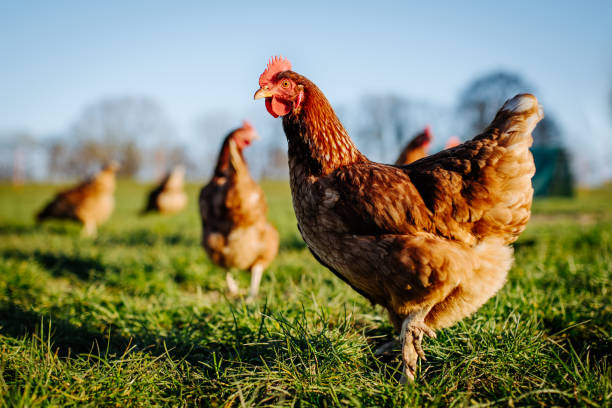
Indicator rises for the third consecutive year.
Global meat trade is expected to increase by 1% in 2026, though growth will vary across product categories. These figures are cited in the U.S.Department of Agriculture’s (USDA) December report.
Pork and Beef
According to USDA estimates, international trade in beef will decline by 1% in 2026 to 13.5 million metric tons. Analysts attribute the drop mainly to reduced export supplies due to tighter availability in key producing regions: Oceania, Brazil, and the United States.
Global pork exports are also expected to decrease by 1% to 10.3 million metric tons. This is primarily due to an anticipated decline in production in the European Union, where the sector is under pressure from rising regulatory costs, as well as the recent detection of African swine fever (ASF) in Spain.
Chicken Meat
Chicken meat trade in 2026 is forecast to grow by 3% and reach a record 14.7 million metric tons. This will mark the third consecutive year of growth. USDA links this trend to rising global demand for the most affordable source of animal protein and to population growth worldwide.
Growth Drivers
Brazil and China will be the main drivers of growth in global chicken meat exports.
Brazil is expected to expand shipments due to competitive prices, restored access to key markets (including China and the EU), and the absence of highly pathogenic avian influenza (HPAI) outbreaks at commercial operations since May 2025.
China will increase exports despite market access restrictions, supported by price competitiveness and strong demand for labor-intensive, heat-processed products. Japan and Hong Kong remain the main destinations for Chinese exports, while shipments to Russia, Southeast Asia, Africa, as well as the EU and the UK are expected to show significant growth.
The outlook for the United States is more restrained: U.S. chicken exports in 2026 are projected to rise by only 1% to 3.1 million metric tons and remain below pre-pandemic levels due to ongoing HPAI-related restrictions and intense price competition.
.png)